

Hydro vs. Soil
The cannabis industry has an ongoing debate: Hydro vs. Soil cannabis growing. This will explain how each method has distinct advantages depending on a grower’s goals, resources, financial considerations, and operating environment. There is no right or wrong here. It’s a matter of personal preference.
People like soil because it has been the foundation of traditional agriculture and continues to be a popular choice for cannabis growers. Soil is easier and more forgiving than hydroponic grows. Soil is more forgiving if the grower makes nutrient mistakes. Also, soil’s strength lies in the soil food web. A soil food web is a complex ecosystem of microbes that naturally regulates nutrients, water retention, and plant health. This is how soil protects the plant. The built-in buffering system makes soil-grown cannabis more forgiving when it comes to nutrient balance and irrigation. This reduces the risk of costly mistakes.
Which is cheaper – hydro or soil
Which is the cheaper method to grow cannabis, hydro or soil? Soil cultivation is cheaper. Soil growing is more affordable than hydroponic grows. Using soil is a cheaper upfront investment. Additionally, there is less technical infrastructure than hydroponic systems. Check out this YT video to see what a grower typically buys at the beginning of a grow for a soil grow. Growers can customize nutrient programs using compost, organic compounds, and locally sourced materials, to keep in line with consumer demand for “natural” or organic-style cannabis products.
Soil is cheaper, but…
Hydroponic grow provides greater environmental control. Soil offers less precision, and results may vary depending on environmental conditions and grower expertise. When a grower uses hydroponics, it gives them more control over their plants grow environment.
Hydroponic grow
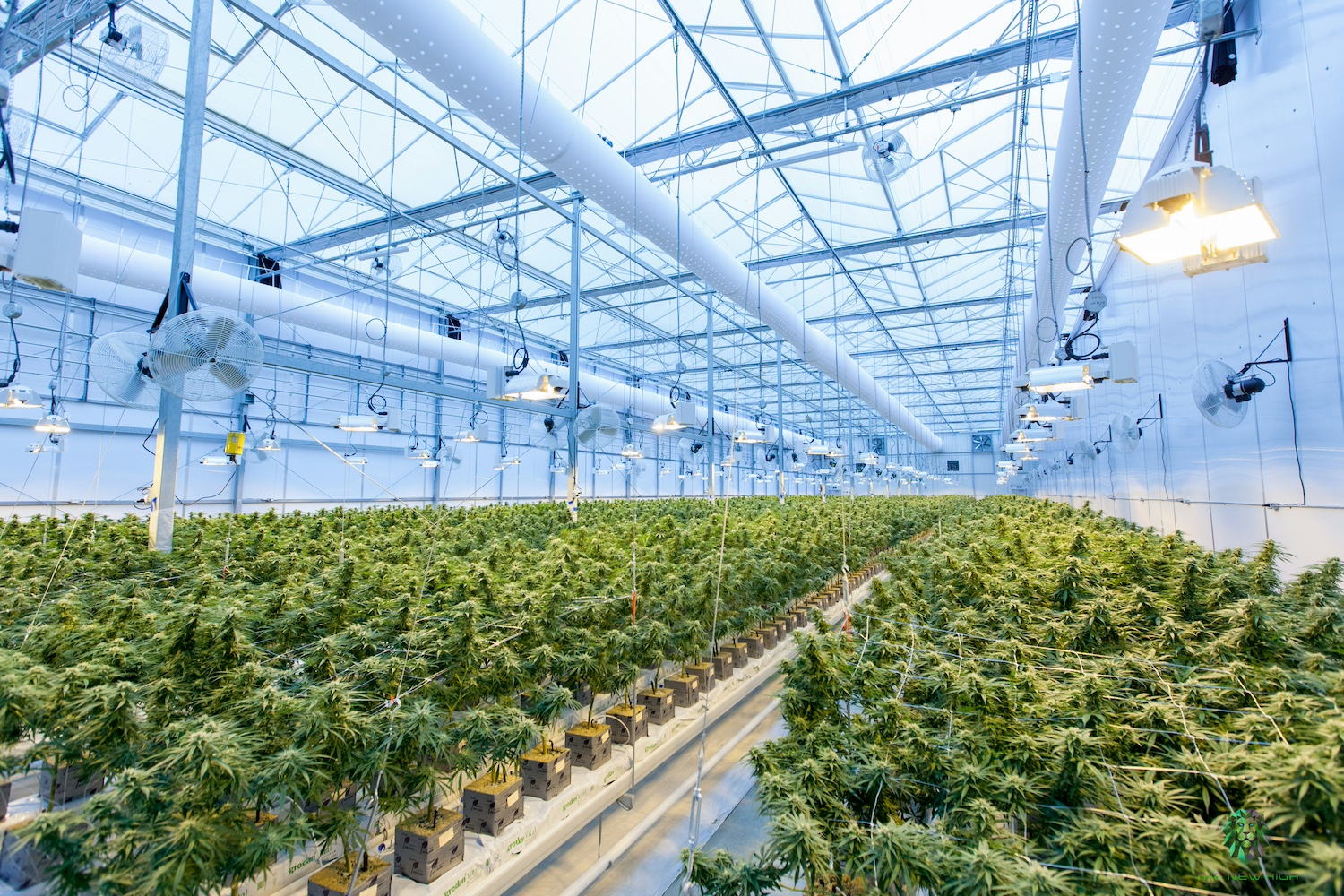
How does hydro grow compare to soil grow? Hydroponic cannabis cultivation is engineered for maximum control and efficiency. This makes it ideal for indoor facilities and regulated environments. Delivering nutrients directly through water, growers directly manage pH levels, nutrient concentrations, and growth conditions. This leads to faster vegetative growth and more consistent yields. These are key advantages in a competitive commercial market. Hydroponics is especially valuable for operations with limited space, because it maximizes canopy production while minimizing infrastructure needs. However, the system requires greater technical knowledge, higher out-of-pocket costs, and ongoing monitoring. Check out this article to see what a grower would typically buy for their hydroponic grow. Contrary to popular belief, hydroponics does not automatically produce more potent cannabis; perceived quality differences are often influenced by other cultivation conditions rather than the method itself. Learn to grow your own.
Hydroponic compared to Soil
Hydroponic grows compared to soil grows is like comparing the Atlantic Ocean to the Pacific Ocean. It’s all a personal preference. The right choice ultimately comes down to operational priorities, financial considerations and personal preference. Soil offers simplicity, lower costs, and strong market appeal for “natural” products. Hydroponics delivers precision, scalability, and predictable output. This is critical for large-scale or highly regulated grows.
Conclusion
In conclusion, for most cultivators, success depends on aligning the chosen method with facility constraints, production goals, and long-term growing. Today’s cannabis growers aren’t choosing sides, rather, they’re choosing strategy. Choose wisely and grow your own.