
Open Minds Are Positive
The Journal of Veteran Studies published research about the use of cannabis as related to treating PTSD and chronic pain in Canadian veterans. Even though there were no correlations between cannabis use and PTSD related outcomes, the self reporting tells a different story. The research participants reported that cannabis use helped their mental health.
PTSD and Cannabis Research

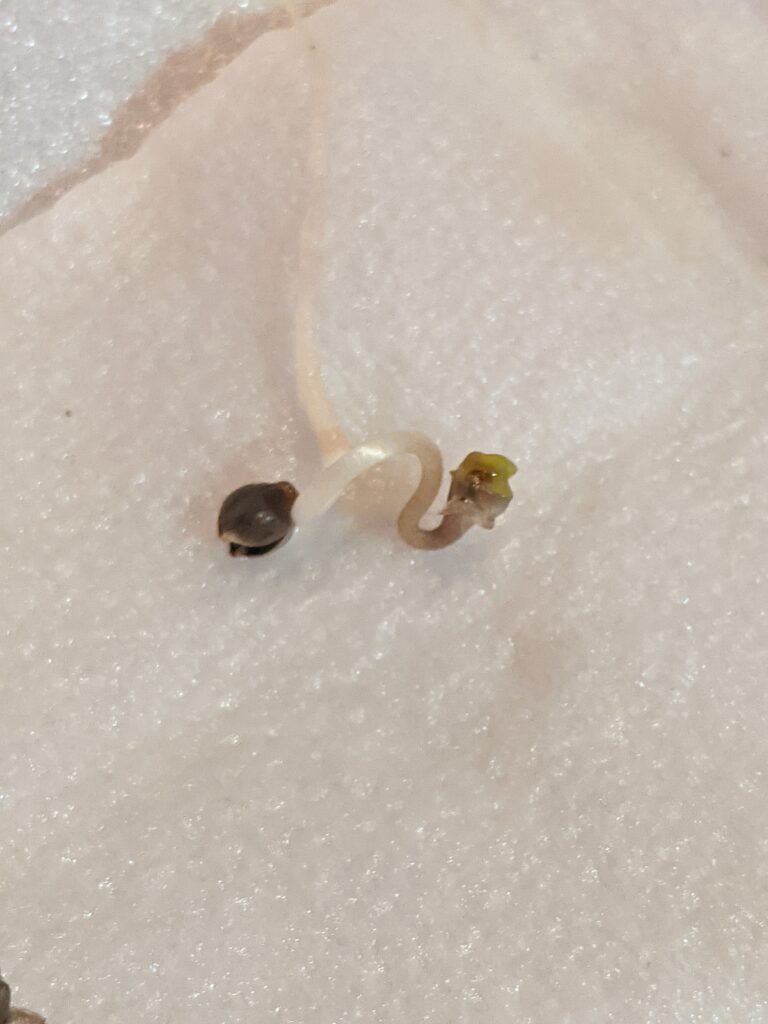
Germinated Cannabis Seeds
Using a large cross sectional sample of 513 veterans with chronic pain and trauma exposure, researchers aimed to clarify why prior findings on cannabis and PTSD have been inconsistent.
PTSD is significantly more common among veterans than the general population. It is often accompanied by depression, anxiety, insomnia, and other disorders. Cannabis use is widespread in this population with many veterans reporting that they use cannabis to manage PTSD symptoms.
A central questions of the study was whether cannabis use itself, or characteristics such as dosage, THC to CBD ratio, and method of consumption, were associated with differences in PTSD outcomes. What researchers found was somewhat surprising.
Study Findings

Marijuana Rescheduled: Read The Research
The study’s findings suggested that cannabis use was not significantly associated with PTSD severity, psychological distress, or insomnia. Cannabis use characteristics, medicinal or recreational, consumption method (inhaled, ingested, etc.), cannabinoid ratios, and daily dosage, also showed no meaningful relationship with PTSD related outcomes.
However, the study found, that veterans who used medical cannabis and/or those who attended talk therapy tended to have higher PTSD severity. The researchers suggest that instead of cannabis or therapy worsening PTSD, the authors proposed that individuals with more severe symptoms were more likely to seek out additional forms of treatment, including both cannabis and therapy.
More Findings

They Keep Coming In
A deeper dive into more findings. There was a notable disconnect between subjective and measured outcomes. Cannabis use was not associated with measurable improvements in PTSD symptoms, and most participants who used cannabis reported that it benefited their mental health. The authors suggest this may reflect short-term symptom relief that does not translate into long term or measurable clinical improvement.
Mixed results


Fill in the Holes Before Making Your Decision
These findings help explain why prior research on cannabis and PTSD has produced mixed results. While some studies suggest benefits, particularly for sleep or short term symptom relief, others have linked cannabis use to worse long term outcomes. This study showed that the relationship depended heavily not on how cannabis was used, but rather on who used it and why.
Conclusion
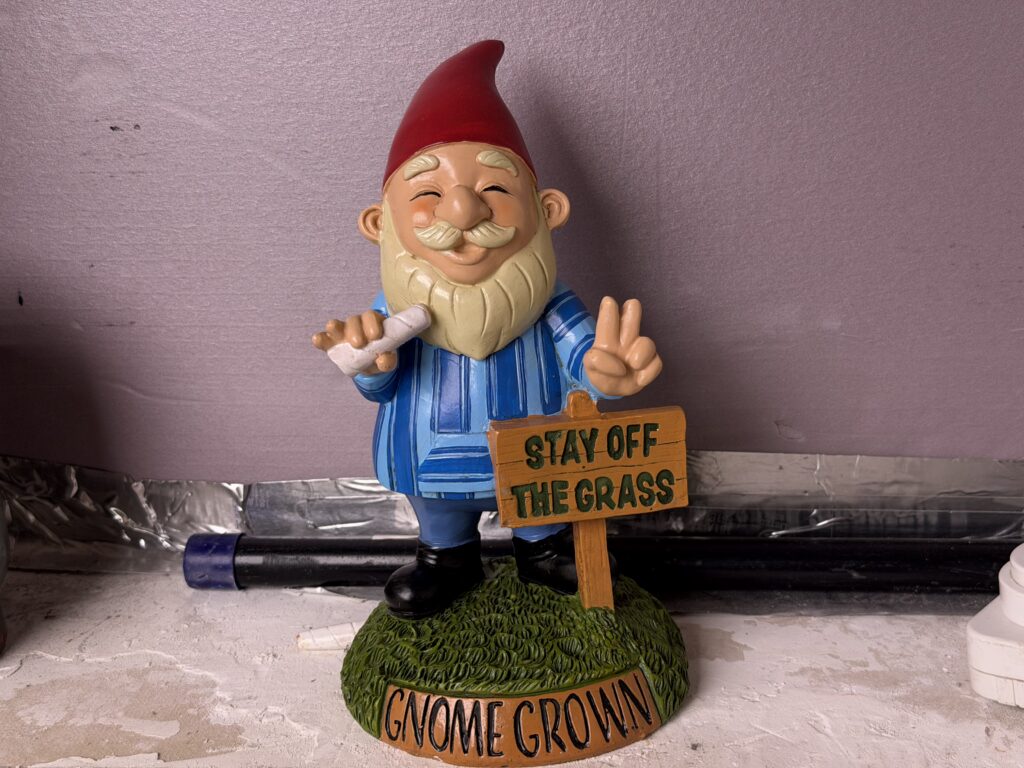
Keep It Gnome and Home Grown
Overall, the study concluded that cannabis use and even detailed patterns of use did not appear to meaningfully influence PTSD severity or related mental health outcomes at a population level. However, the perceived benefits reported by users highlight the need for further research into short term effects and patient experience. See the other research studies on PTSD and cannabis. Remember that starting your own grow is easier than you think. Click here to find out how to do it!